You've downloaded the apps. You've organized your to-do list in five different systems. And the tasks still don't get done. That isn't a willpower problem: most productivity tools were designed for a different kind of brain. Here's an honest look at which ADHD productivity apps actually help, and why.
The real reason standard apps don't work for ADHD
ADHD is less a lack of attention than unreliable access to it. Many people with ADHD can hyperfocus on something that grabs them and still can't make themselves start a task that feels boring or distant. Psychiatrist William Dodson calls this an interest-based nervous system, as opposed to an importance-based one.
Standard productivity apps assume the importance-based kind: rank tasks, set due dates, review a weekly dashboard. What tends to get ADHD brains moving instead is interest, novelty, competition and urgency, and for many, another person in the room. The best productivity apps for ADHD build those triggers into the tool instead of expecting you to supply them.
Works against ADHD
- Punishment for missed tasks
- Long-feedback loops
- Abstract future rewards
- Complex setup required
Works with ADHD
- Immediate, concrete rewards
- Novelty and visual stimulation
- Social accountability
- Low-friction starting
7 ADHD productivity apps that work with your brain
Taskoria
For ADHD users who need immediate, game-level engagement
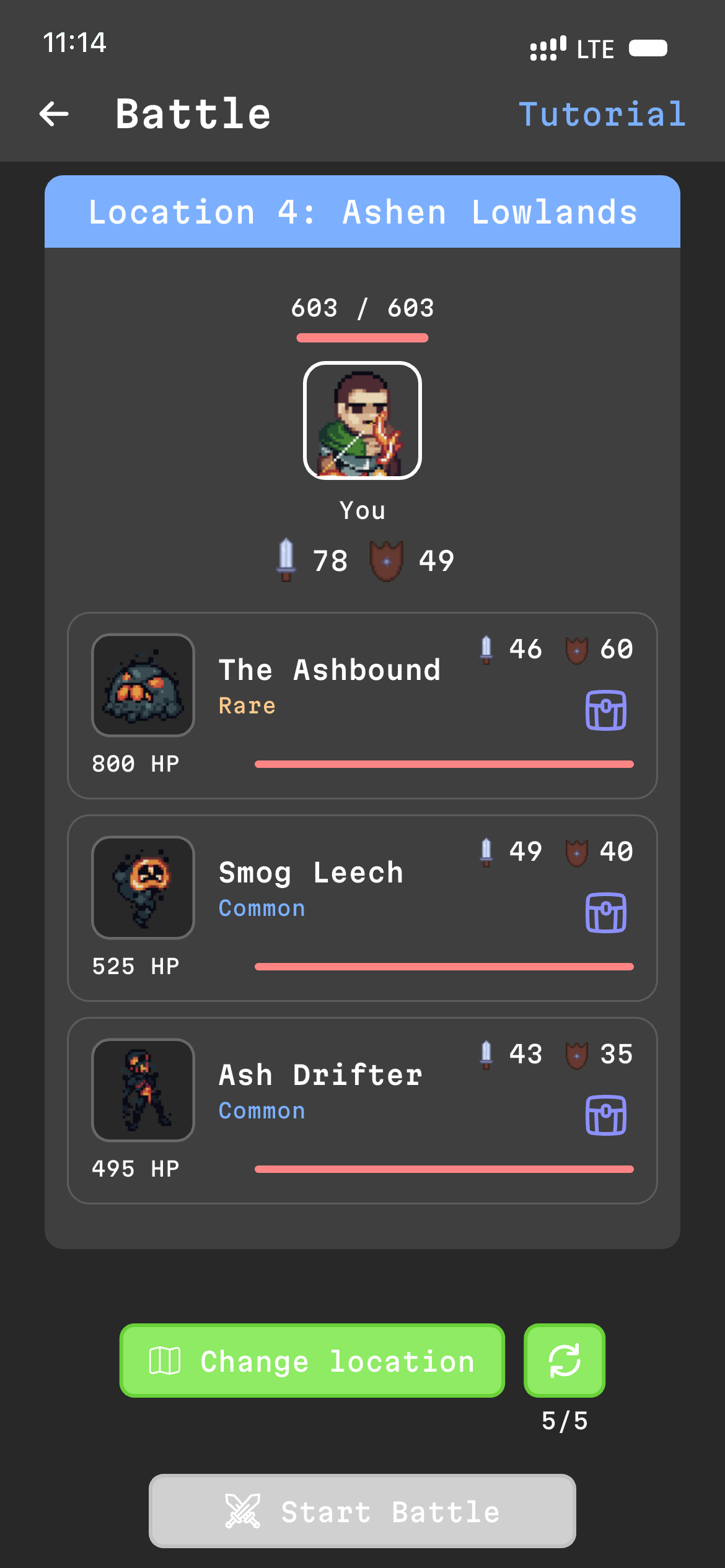
Most to-do apps give you a checked box and no dopamine hit. In Taskoria, finishing a task deals damage to a monster, and won fights drop materials you craft into gear: a game loop wired into a task manager.
Missing a day costs nothing: no HP loss, no character death, no streak guilt. For ADHD brains already prone to shame and avoidance, that matters.
Works well for
Immediate in-game rewards, no punishment for missed days
Keep in mind
Mobile only (iOS + Android), small newer community; Goals and Skills need the optional subscription
Habitica
For ADHD users who need social accountability
Habitica's parties, guilds and challenges add outside accountability: during a boss quest, your missed Dailies damage your whole party.
The trade-off: missed Dailies also cost your own character health. For some that creates urgency; for many ADHD users it breeds shame and avoidance, which is why many ADHD users love Habitica and many others can't sustain it.
Works well for
Social accountability, large community, web app available
Keep in mind
HP loss for missed Dailies can demotivate ADHD users; aging interface
Focusmate
For ADHD users who need a real human to work alongside
Focusmate is body doubling on demand. You book a 25-, 50- or 75-minute video session with another person, you both say what you'll work on, work with cameras on, then check in at the end.
It isn't a to-do app, but working next to someone is often what makes the to-do app work.
Works well for
Accountability sessions on demand; free for 3 sessions a week
Keep in mind
No task management; runs in the browser, and unlimited sessions need the paid plan
Tiimo
For ADHD users who struggle with time blindness
Time blindness, losing track of how much time has passed, is a common ADHD struggle. Tiimo lays your day out as a colour-coded visual timeline with a focus timer, so time looks concrete instead of abstract.
It was co-designed with ADHD and autism experts, and an AI co-planner helps you sort and prioritize tasks.
Works well for
Visual schedule, neurodivergent-focused design, iOS, Android and web
Keep in mind
The free version is a basic planner; AI features and full planning need Tiimo Pro
Lunatask
For ADHD users who also manage anxiety and emotional load
Lunatask puts a to-do list, habit tracker, mood tracker and journal in one encrypted app, and its makers say they designed it with ADHD brains in mind.
Its lists organize themselves and are deliberately forgiving, aiming to take the sense of failure out of a to-do list. If high-stimulation apps stress you out, it's a calmer kind of tool.
Works well for
Calm design; tasks, habits, mood and journal in one place
Keep in mind
Little gamification; the free plan caps areas of life (2) and habits (7)
Forest
For ADHD users who need help starting focused work sessions
Forest is a simple commitment device: start a focus session and a tree grows; leave the app early and it withers. Finished sessions add up to a forest, a visible record of your focus.
It manages attention, not tasks: a withered cartoon tree nudges without the shame spiral of harsher penalties.
Works well for
Simple, low-friction focus sessions; charming visual reward
Keep in mind
No task management features; works best as a companion app
Motion
For ADHD users who need their schedule built automatically
Motion uses AI to build your daily schedule from your tasks, meetings and deadlines, and rebuilds it when plans change. That removes the planning step where many ADHD users get stuck.
Motion says it's best used on a computer, with the phone app as a companion. There's no free plan, only a 7-day trial.
Works well for
Automatic scheduling, removes planning overhead, AI-powered rescheduling
Keep in mind
Subscription only ($19/month on the Pro AI plan, billed monthly), desktop-first, overkill for simpler needs
Frequently Asked Questions
What is the best productivity app for ADHD adults?
There isn't one universal answer — it depends on which ADHD challenge is biggest for you. If engagement and boredom are the problem, gamified apps like Taskoria work well. If accountability is the issue, Focusmate or Habitica's social features help. If time blindness is the core issue, Tiimo is purpose-built for it.
Why do ADHD people struggle with to-do lists?
Most to-do lists are priority-based systems that assume importance and urgency generate motivation. ADHD involves dysregulation of the dopamine system, so abstract future rewards ("this task matters for my career") don't reliably activate motivation the way immediate, concrete rewards do. Task lists don't provide the dopamine signal that ADHD brains need to start and sustain effort.
Is gamification good for ADHD productivity?
Often, yes. Game mechanics — immediate feedback, visible progress, variable rewards — create the short feedback loops that ADHD brains respond to. The key is using reward-only systems rather than punishment mechanics; HP loss and streak-breaking penalties can trigger shame spirals and avoidance.
Should I use multiple apps?
Many ADHD users find that one app for task management and one for focus (like Taskoria + Focusmate or Forest) covers more ground than trying to find a single app that does everything. The combination often works better than a more complex single-app setup.
Try a different approach
Taskoria is built specifically for the engagement problem — task completion triggers real RPG combat, not just a checkmark. Free on iOS and Android.