You set up a habit tracker on Sunday night with twelve rows: water, gym, reading, meditation, journaling, no sugar, eight hours of sleep. By Wednesday half the boxes are empty, and by next Sunday you've stopped looking at it.
The list wasn't wrong. It was too long, and most rows were wishes rather than checks you could tick.
40 habits to track, grouped by goal
Each habit comes with the check that makes it trackable. Change the numbers to fit your life; keep the check concrete.
Health and body
- Drink water: a glass with every meal
- Walk: 10 minutes, any pace
- Stretch: 5 minutes after getting up
- Strength: 10 squats or push-ups
- Lights out on time: pick the time once, then tick it
- Eat a vegetable: at least one portion at lunch
- Phone out of bed: charging outside the bedroom
Mind and focus
- One focus block: 25 minutes on the hardest task, phone away
- Name today's priority: one line, before email
- Plan tomorrow: three tasks, written the night before
- Meditate: 5 minutes, a timer is enough
- Slow morning: no phone for the first 30 minutes
- Email in slots: checked at two set times, not all day
- Shut down work: close tabs, clear the desk
Mood and self-care
- Journal: one line about today
- Three good things: written before bed
- Daylight: step outside before noon
- Reach out: one message to a friend or family member
- Floss: once, any time of day
- Meds or vitamins: taken at the usual time
- Something for fun: 15 minutes, no productivity allowed
Home and money
- Make the bed: right after getting up
- 10-minute tidy: set a timer, stop when it rings
- Empty sink: dishes done before bed
- Log spending: every purchase, same day
- No-spend day: count them per week
- Cook at home: one meal a day
- Weekly money check: balance and upcoming bills, once a week
Learning and growth
- Read: 10 pages
- Language practice: 10 minutes or one lesson
- Practise an instrument: 15 minutes
- Course or study: one lesson or one chapter
- Write: 200 words, any topic
- Review notes: 10 minutes of flashcards or yesterday's notes
Low-effort and ADHD-friendly
- Keys in one spot: the same bowl or hook, every time
- Check today's calendar: once, in the morning
- Two-minute start: a timer on the task you're avoiding
- Brain dump: everything in your head onto one list
- Reset one surface: put 10 things away
- Bag by the door: tomorrow's things packed tonight
The last group is for days with very little energy, and for ADHD brains that need a habit to be almost frictionless. Our ADHD task manager guide goes further into why.
How to pick your first 3
- Tiny. Small enough to do on your worst day. "Read 10 pages" beats "read more", and you can always do extra.
- Daily. Something that fits every day builds rhythm faster. Keep weekly goals as weekly counts.
- Observable. At bedtime you should know the answer without thinking. "Be healthier" can't be ticked; "walk 10 minutes" can.
- Tied to a moment. Attach it to something you already do: water with meals, stretching after getting up, three good things before bed.
- Spread across goals. One from body, one from mind, one from home spreads the effort and gives every day a quick win.
Repetition in the same situation is what makes it stick. In a study by Phillippa Lally and colleagues, people who repeated a new daily behaviour more consistently fitted the habit curve better. Add a fourth habit only when the first three run without much thought.
Why most people stop tracking
Usually not because the habits were wrong, but because one missed day resets a streak and the empty box starts to feel like a verdict. In the same study, missing a single opportunity did not materially affect habit formation. We wrote more on why a broken streak makes you quit and how to restart.
Tracking habits in Taskoria
We build Taskoria, so weigh this with that in mind. It's a habit tracker where every habit you complete deals damage to a monster, so ticking "read 10 pages" also moves a battle forward.
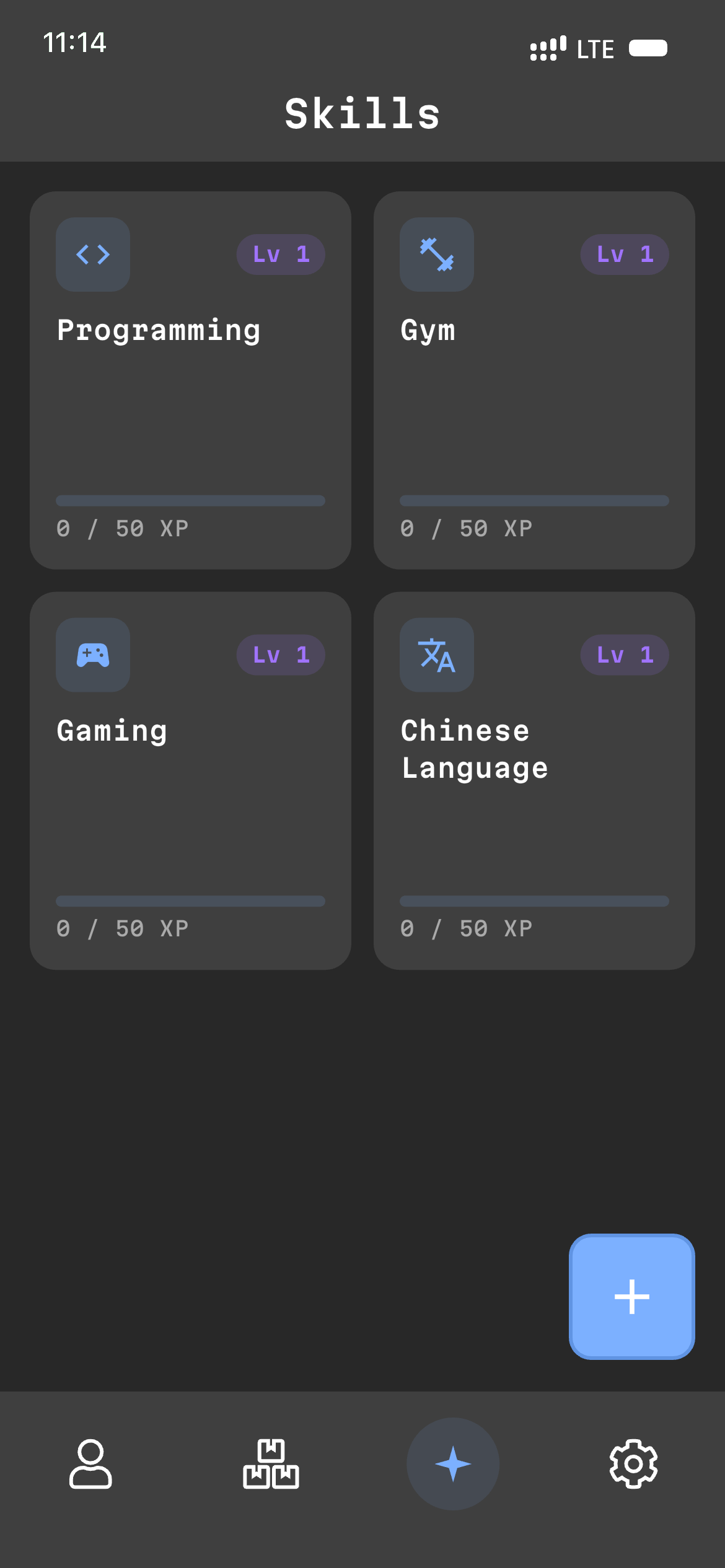
With Skills (Pro), you link habits to real-life skills like Gym or a language, and each skill earns its own XP and levels. Miss a day and only the streak bonus resets; no levels or gear are lost.
Limits: no web app, and Goals and Skills need Pro. It's free on iOS and Android, with an optional subscription. See how it compares in our best gamified habit trackers comparison, or how to gamify your to-do list without any app.
Frequently Asked Questions
How many habits should I track?
Start with three. Add a fourth only when the first three happen most days without much thought. A long list makes every missed box feel like failure, and that is usually when people stop tracking altogether.
Should I track habits daily or weekly?
Daily for small things you can do every day, like water or reading 10 pages. Weekly targets for things that don't fit every day, like the gym three times a week or two no-spend days. Counting the week also survives a bad Tuesday.
How long does it take for a habit to stick?
It varies a lot. In Lally and colleagues' 12-week study of new daily habits, the time to get close to full automaticity ranged from 18 to 254 days, and missing a single opportunity did not materially affect how the habit formed.
What is the best way to track habits?
The one you will actually open every day. A paper grid or bullet journal works if it lives where you see it; an app helps if you want reminders and weekly stats; a gamified tracker helps if a reward makes you want to tick the box.
Try Taskoria free
Your habits deal damage, bosses fall, and a missed day only resets the streak bonus. Free to download on iOS and Android.